
Published May 14, 2024
The furnace heat exchanger is crucial in heating systems, ensuring efficient operation and keeping homes warm and cozy.
In this article, we’ll examine a furnace heat exchanger, how it works, and why it’s essential for your heating system.
Understanding the Furnace Heat Exchanger
So, what exactly is a furnace heat exchanger? Simply put, it’s a component within your furnace that transfers heat from one medium to another without the two coming into direct contact.
In most residential heating systems, the heat exchanger is a crucial part of the combustion process. It absorbs heat generated by burning fuel and transfers it to the air circulating throughout the home.
How Does it Work?
The operation of a furnace heat exchanger can be broken down into a few key steps:
Heat Generation
The furnace burners ignite the fuel, whether gas, oil, or propane, generating heat in the process.
Heat Transfer
As the burner heats up, the heat exchanger absorbs this thermal energy.
Air Circulation
The blower fan forces air over the heated surface of the exchanger, where the heat is transferred to the air.
Distribution
The now-warm air is then distributed through the ductwork in your home, raising the overall temperature and keeping you comfortable.
Why is it Essential?
Having a properly functioning furnace heat exchanger is critical for several reasons:
Efficiency
A well-maintained heat exchanger ensures that the heat produced by your furnace is effectively transferred to the air, maximizing the efficiency of your heating system.
Safety
A cracked or damaged heat exchanger can lead to carbon monoxide leaks, posing a severe health risk to you and your family. Regular maintenance and inspection are crucial to preventing such issues.
Comfort
By efficiently transferring heat, the heat exchanger helps maintain a consistent and comfortable temperature in your home during the colder months.
Signs of a Faulty Heat Exchanger
Strange Smells
If you notice unusual odors, particularly a solid metallic or burning smell, coming from your vents, it could signal a cracked heat exchanger leaking gases into your home.
Visible Cracks
Inspecting your heat exchanger for visible cracks or corrosion is essential. Any damage to the exchanger can lead to carbon monoxide leaks, posing a severe health risk.
Soot Build-Up
Excessive soot around the furnace or on the walls near the furnace can indicate incomplete combustion, often caused by a malfunctioning heat exchanger.
Uneven Heating
Inconsistent heating throughout your home or cold spots despite the furnace running can indicate a failing heat exchanger.
Risks Involved
Carbon Monoxide Poisoning
A cracked heat exchanger can leak carbon monoxide, a colorless, odorless gas that can be deadly if inhaled in high concentrations.
Fire Hazard
A damaged heat exchanger can lead to improper combustion, increasing the fire risk within your heating system.
Decreased Efficiency
A faulty heat exchanger can reduce the efficiency of your furnace, leading to higher energy bills and discomfort in your home.
Regular Maintenance and Care Tips
Annual Inspection
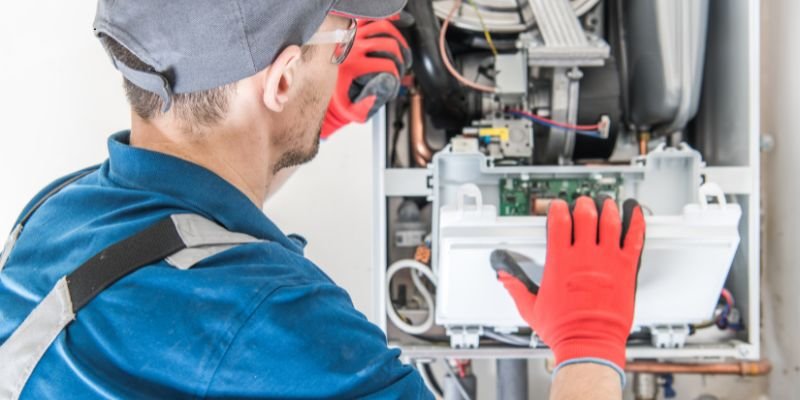
Schedule a professional inspection of your furnace, including the heat exchanger, at least once a year to detect any issues early.
Change Air Filters
Regularly replace or clean your furnace’s air filters to prevent debris build-up that can affect the heat exchanger’s performance.
Monitor Carbon Monoxide Detectors
Install carbon monoxide detectors near your furnace and throughout your home to promptly alert you to leaks.
Professional Cleaning
Have your furnace and heat exchanger cleaned by a certified technician to remove any accumulated dirt or debris hindering their operation.
Address Issues Promptly
If you notice any of the signs mentioned earlier or suspect a problem with your heat exchanger, don’t delay – contact a professional HVAC technician for immediate inspection and repairs.
Frequently Asked Questions (FAQs)
How to clean furnace heat exchanger?
To clean a furnace heat exchanger, turn off the furnace, remove panels to access the exchanger, vacuum gently to remove dust and debris, brush off stubborn build-up, and consider professional cleaning for thorough maintenance. Regular cleaning ensures efficient heat transfer and safe operation.
Where is the heat exchanger on a furnace?
The heat exchanger on a furnace is typically located below the combustion chamber. It’s a crucial component that absorbs heat from the burning fuel and transfers it to the air circulated throughout your home. Regular maintenance of this area is essential for optimum furnace performance.
How much is a heat exchanger for a furnace?
The cost of a heat exchanger for a furnace can vary widely depending on the furnace’s brand, model, and size. On average, replacement heat exchangers can range from $300 to $1500, including labor costs for installation. Regular maintenance helps prolong the life of your heat exchanger.
Final Thoughts
The furnace heat exchanger is a vital component of your heating system, playing a pivotal role in keeping your home warm and safe. Regular maintenance and inspections are essential to ensure its proper function and efficiency.
Remember, a well-maintained heat exchanger keeps you warm and contributes to your furnace’s overall performance and longevity.