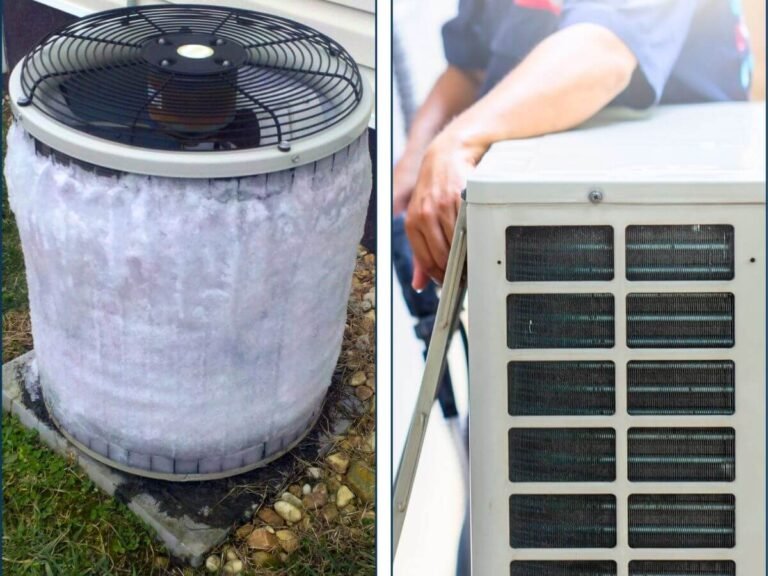
A frozen air conditioner is one of the most confusing and frustrating problems homeowners face. You turn on your system expecting cool air, but instead you notice weak airflow, rising indoor temperatures, or visible ice on the unit. When this happens, frozen AC unit repair becomes more than a comfort issue—it becomes a matter of system safety and long-term performance.
AC units are designed to remove heat, not create ice. When freezing occurs, it’s a sign that something in the airflow, refrigerant cycle, or system control has gone wrong. Understanding the causes, knowing the correct fixes, and following prevention strategies can save you from costly repairs and premature system failure.
This guide explains why AC units freeze, how professionals repair them, and what homeowners can do to prevent the problem from returning.
Why a Frozen AC Unit Is a Serious Problem
When ice forms on an AC system, it restricts heat transfer and blocks airflow. As the ice spreads across the evaporator coil, the system loses its ability to cool effectively. Many homeowners continue running the system, unaware that doing so can damage the compressor, increase energy consumption, and shorten the unit’s lifespan.
A frozen unit is never a normal condition. It indicates that the system is operating outside its intended balance, making timely frozen AC unit repair essential.
Restricted Airflow Problems and Their Impact
Restricted airflow is the most common cause of AC freezing. Air must move consistently across the evaporator coil to absorb heat. When airflow drops, the coil temperature falls below freezing, causing condensation to turn into ice.
Airflow restriction can be caused by blocked vents, collapsed ductwork, or improper airflow balance within the system. Over time, restricted airflow problems create a chain reaction that leads to icing, reduced efficiency, and system strain.
Clogged AC Air Filter and Ice Formation
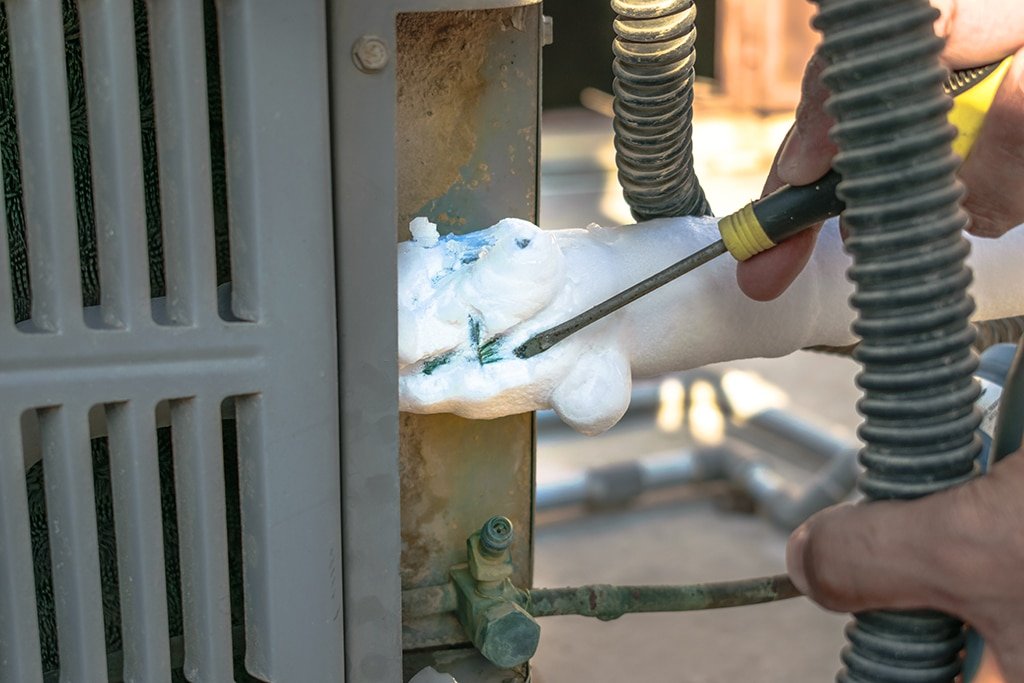
A clogged AC air filter is one of the simplest yet most damaging issues. When filters become dirty, they limit the amount of warm air reaching the evaporator coil. Without enough heat exchange, the coil becomes too cold and ice begins to form.
Regular air filter replacement is one of the easiest and most effective ways to prevent AC freezing. Ignoring this basic maintenance task often leads to unnecessary repair calls and system damage.
Low Refrigerant Levels and Freezing Risk
Low refrigerant levels disrupt the pressure balance within the AC system. When refrigerant pressure drops too low, the evaporator coil temperature decreases beyond safe limits, leading to icing issues. Proper refrigerant levels are essential for efficient cooling performance.
Low refrigerant is usually caused by leaks, not normal usage. Adding refrigerant without fixing the leak is only a temporary solution. Professional frozen AC unit repair includes leak detection, proper sealing, and recharging the system to manufacturer specifications.
Evaporator Coil Icing Issues Explained
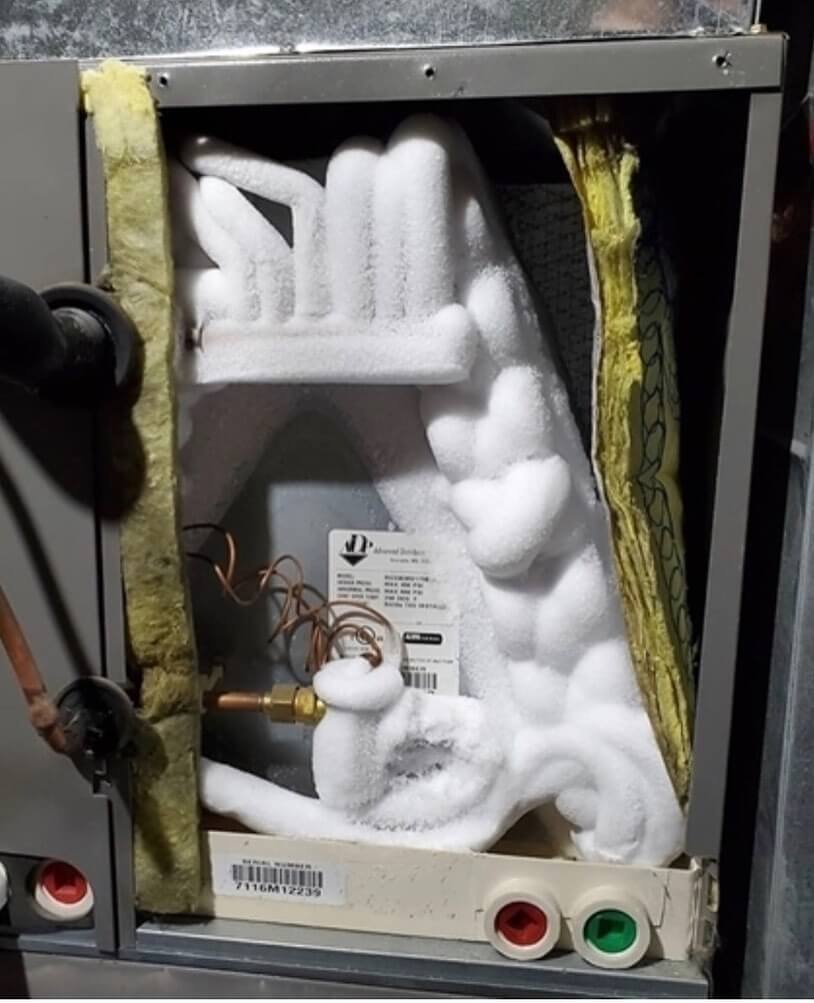
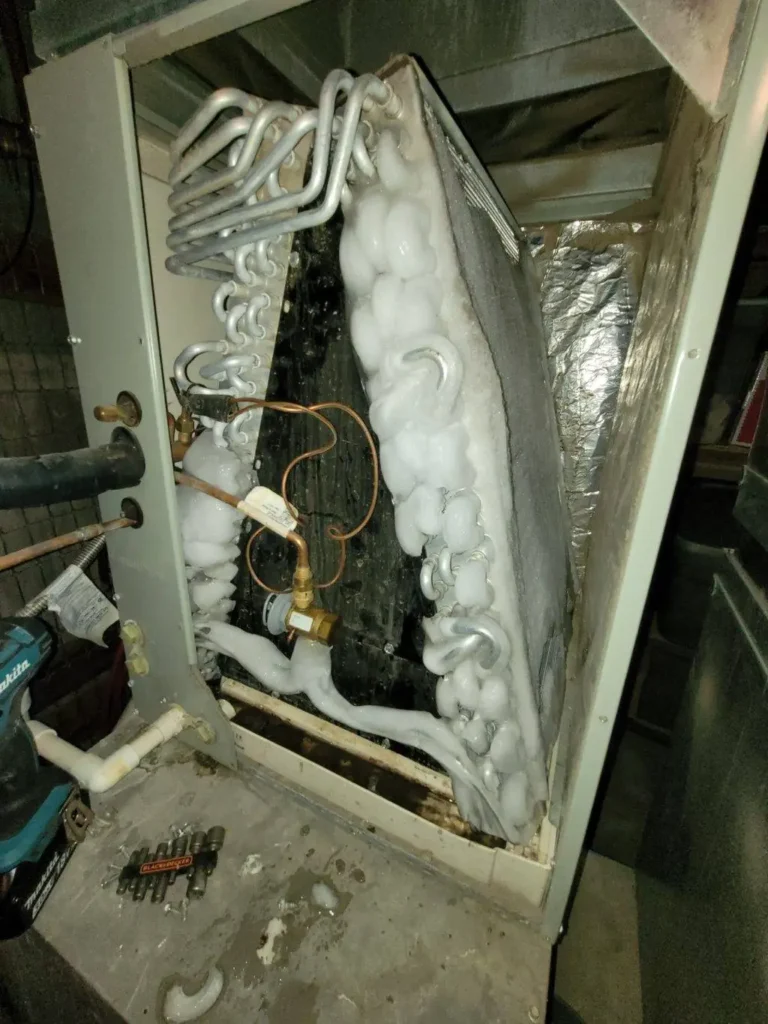
The evaporator coil is where heat is absorbed from indoor air. When airflow or refrigerant levels are incorrect, the coil surface becomes excessively cold. Moisture in the air freezes on contact, creating layers of ice.
As ice builds up, airflow decreases further, worsening the problem. Coil icing is both a symptom and a cause of system imbalance, which is why professional diagnosis is critical.
Dirty Condenser Coil Effects on System Balance
While evaporator coils freeze indoors, dirty condenser coils outside can also contribute to the problem. The condenser coil releases heat absorbed from inside the home. If it’s coated with dirt or debris, heat cannot escape efficiently.
This causes pressure changes throughout the system, increasing the risk of freezing. Dirty condenser coil effects include longer run times, reduced efficiency, and higher chances of icing under heavy load.
Thermostat Setting Errors and System Stress
Incorrect thermostat settings can unintentionally cause freezing. Extremely low temperature settings force the system to run continuously, especially during cooler evenings or high-humidity conditions.
Smart thermostats that are misconfigured or poorly calibrated may also send incorrect signals to the system. Thermostat setting errors don’t directly create ice, but they increase operating stress that contributes to freezing conditions.
AC Blower Fan Problems and Airflow Loss
The blower fan is responsible for pushing air across the evaporator coil. If the fan motor is failing, running at the wrong speed, or blocked by debris, airflow drops significantly.
AC blower fan problems often go unnoticed until freezing occurs. Weak airflow is a clear warning sign that should be addressed before ice buildup damages the system.
Humidity Impact on AC Freezing
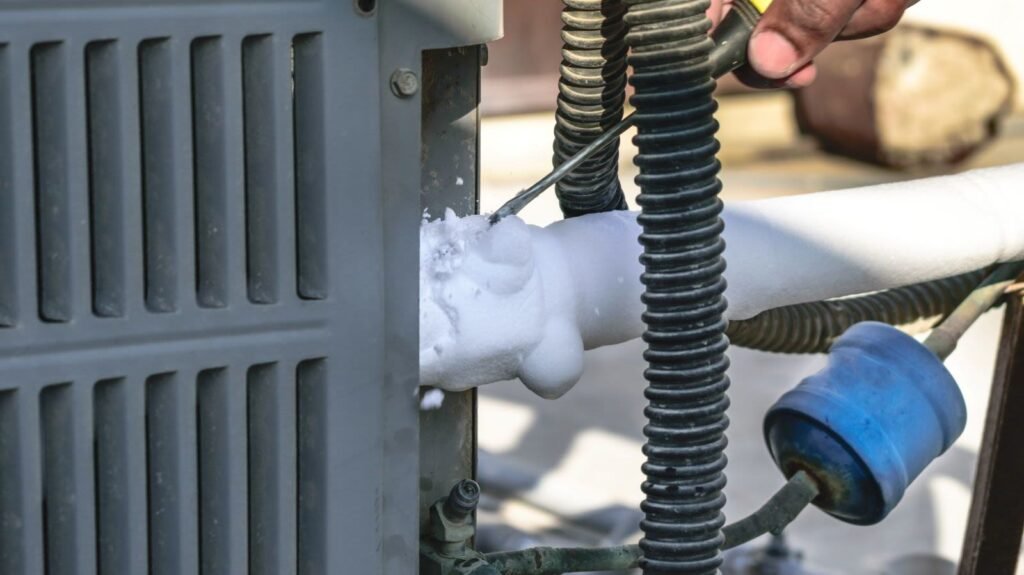
High indoor humidity increases the amount of moisture passing over the evaporator coil. If airflow or refrigerant balance is already compromised, that moisture freezes rapidly.
Florida’s climate makes humidity control especially important. Proper system sizing, airflow balance, and regular maintenance are essential to managing the humidity impact on AC freezing.
AC System Airflow Balance and Design
An AC system must maintain proper airflow balance across all components. Poor duct design, closed vents, or zoning issues can disrupt this balance and increase freezing risk.
Professional HVAC diagnostic procedures evaluate airflow pressure, duct integrity, and system performance to ensure balanced operation. Correcting airflow issues often resolves recurring freezing problems.
How Professionals Perform Frozen AC Unit Repair
Professional frozen AC unit repair goes far beyond defrosting the ice. Technicians begin by shutting down the system safely and allowing the ice to melt completely.
Next, they perform diagnostics to identify the root cause. This may include checking refrigerant levels, inspecting coils, testing blower motors, measuring airflow, and evaluating thermostat performance. Repairs are targeted at restoring system balance, not just eliminating ice.
Prevent AC Unit Freezing With Proactive Care
Preventing freezing is far easier and less expensive than repairing damage caused by repeated icing. Preventive care focuses on maintaining airflow, refrigerant balance, and clean components.
Routine HVAC inspections identify early signs of trouble before ice forms. Seasonal AC tune ups prepare the system for heavy usage periods and reduce unexpected breakdowns.
The Importance of Regular Maintenance
Regular maintenance ensures filters are clean, coils are free of debris, and airflow remains consistent. It also allows technicians to catch refrigerant issues and electrical problems early.
Homeowners who invest in routine service experience fewer emergencies, lower repair costs, and longer system lifespan. Regular maintenance helps prevent system breakdowns and improves cooling efficiency.
When to Call a Professional for Frozen AC Issues
If your AC shows visible ice, weak airflow, or stops cooling altogether, it’s time to shut it off and call a professional. Continuing to run a frozen system can damage the compressor, one of the most expensive components.
Experienced technicians from Snowflakes Air Conditioning specialize in accurate diagnostics and long-term solutions. Their approach focuses on restoring proper airflow, correcting system imbalances, and preventing repeat freezing issues—essential for reliable cooling in demanding climates.
Final Thoughts
A frozen AC unit is never a minor inconvenience. It’s a clear warning sign that your system is operating outside safe limits. Understanding the causes behind freezing helps homeowners respond quickly and avoid costly damage.
With proper frozen AC unit repair, routine maintenance, and professional oversight, you can keep your system efficient, reliable, and ice-free even during the hottest months.
Why does my AC keep freezing even after I change the filter?
Persistent freezing usually indicates deeper issues such as low refrigerant levels, airflow imbalance, or blower fan problems that require professional diagnosis.
Can I run my AC while it’s frozen?
No. Running a frozen AC can damage the compressor and worsen system failure. The system should be turned off immediately.
How long does it take to repair a frozen AC unit?
Repair time depends on the cause. Simple airflow issues may be resolved quickly, while refrigerant leaks or mechanical failures take longer.
How often should AC maintenance be done to prevent freezing?
At least once a year, ideally before peak cooling season. Homes in high-humidity climates benefit from more frequent inspections.