If your HVAC system is leaking water, it is usually caused by a problem with how condensation drains from the unit. Common reasons include a clogged condensate drain line, a dirty air filter that causes the evaporator coil to freeze, or a cracked drain pan that can no longer hold water properly.
When this happens, water can overflow and leak from the indoor unit or nearby vents. At Snowflakes Air Conditioning, we regularly help homeowners identify and fix these types of HVAC leaks before they lead to costly water damage or system breakdowns.
In this article, we explain the 7 most common causes and how to fix them.
7 Common Causes Why Your HVAC is Leaking Water:
HVAC systems create condensation as part of normal operation, but that water should always drain away safely. When something interrupts airflow, drainage, or temperature control, water can build up where it should not and start leaking into your home.
If you notice water leaking from your HVAC, Snowflakes Air Conditioning can help. Our experienced technicians provide reliable HVAC services and can quickly identify the source of the leak, offering the right solution, whether it’s a simple DIY fix or a more complex repair.
Below are the most common issues that cause HVAC water leaks, along with a clear explanation of how each problem develops:
Clogged Condensate Drain Line
The most common cause of HVAC water leaks is a clogged condensate drain line. Dirt, algae, or mold can build up inside the PVC pipe that carries water away from the system.
When the line is blocked, water backs up into the drain pan and eventually overflows, causing leaks around the indoor unit.
How to fix it
- Turn off the HVAC system
- Use a wet and dry vacuum to clear the drain line
- Flush the line with vinegar or warm water
- Call a professional if the clog keeps coming back
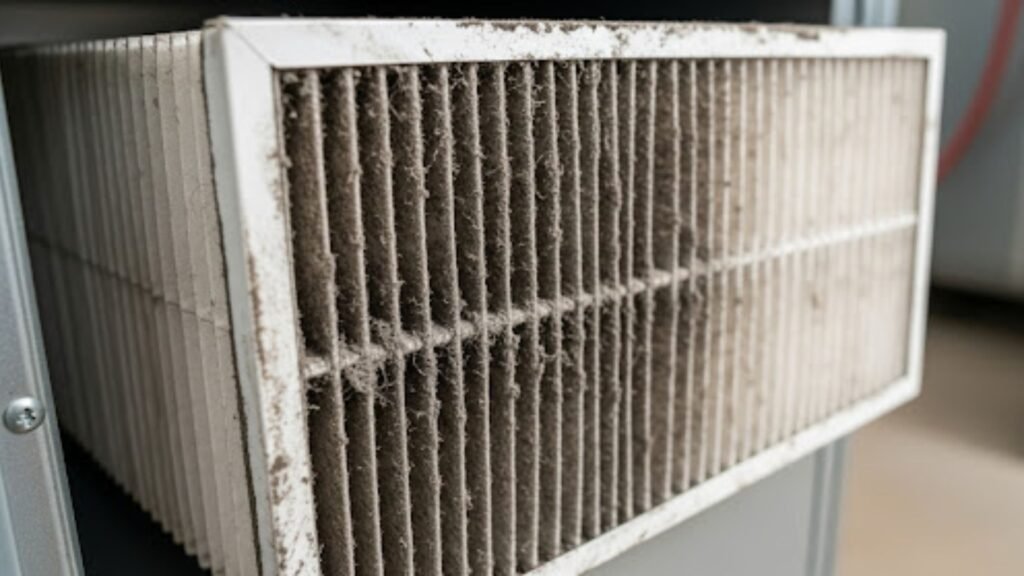
Dirty Air Filter
A dirty air filter restricts airflow through the system. When airflow is limited, the evaporator coil can become too cold and freeze. Once the ice melts, the drain pan may not be able to handle the excess water, leading to leaks.
How to fix it
- Turn off the system
- Remove and replace the air filter
- Use the correct filter size and rating
- Replace filters every one to three months
Frozen Evaporator Coil
An evaporator coil can freeze due to restricted airflow from dirty filters, closed vents, or low refrigerant levels. When the coil thaws, it releases a large amount of water at once, which can overwhelm the drain system and cause leaks.
How to fix it
- Turn off the system and let the coil thaw completely
- Check and replace dirty air filters
- Open all supply and return vents
- Contact a technician to check refrigerant levels
Damaged or Full Drain Pan
The drain pan is designed to collect condensation before it drains away. If the pan is rusted or cracked, it cannot hold water properly. A drain pan can also overflow if it becomes full due to a broken condensate pump.
How to fix it
- Inspect the drain pan for cracks or rust
- Replace the pan if it is damaged
- Check the condensate pump for proper operation
- Have a technician replace the pump if needed
Low Refrigerant
Low refrigerant levels reduce system pressure, causing the evaporator coil to freeze. This creates the same problem seen with airflow issues, where melting ice leads to excess water and leaks.
How to fix it
- Turn off the system to prevent further damage
- Call a licensed HVAC technician
- Repair refrigerant leaks
- Recharge refrigerant to proper levels
Poorly Insulated Ducts
In humid environments, cold air moving through poorly insulated ducts can cause condensation to form on the outside of the ducts. This moisture can drip and appear as a leak, especially when it collects in ceilings or walls.
How to fix it
- Inspect exposed ductwork for missing insulation
- Seal air leaks in ducts
- Add or replace duct insulation
- Reduce indoor humidity if needed
Can You Still Run your HVAC System if it’s Leaking Water?
Running your HVAC system while it is leaking water is not recommended. Even if the leak seems minor, continued operation can cause water damage, mold growth, or electrical issues.
In some cases, a safety switch may shut down the system to prevent further damage, leaving your HVAC temporarily inoperable. The safest approach is to turn off the system, locate the source of the leak, and have it repaired before running it again. This protects both your HVAC system and your home from costly problems.
Is AC Leaking Water Expensive to fix?
The cost of HVAC service for fixing a leak depends on the cause. Some issues, like a clogged drain line or a dirty air filter, are simple and inexpensive to fix.
Other problems, such as a damaged drain pan, low refrigerant, or a broken condensate pump, may require professional repairs and more time. Catching leaks early can prevent more serious damage and help keep repair costs manageable.
Call Snowflakes Air Conditioning to Fix the HVAC Leaking Issue:
If your HVAC system is leaking water, trying to fix it yourself can sometimes make the problem worse. Call us at Snowflakes Air Conditioning for fast and reliable HVAC services to identify the cause and repair it correctly.
Our trained technicians handle everything from clogged drain lines and frozen coils to damaged drain pans and low refrigerant. We ensure your system is safe, efficient, and leak-free so you can stay comfortable at home without worrying about water damage.
Frequently Asked Questions (FAQs):
How do I know if my evaporator coil is frozen?
You may see ice on the coil or notice weak airflow from vents. The AC may also struggle to cool the home properly.
How often should I replace my air filter?
Air filters should be replaced every 1 to 3 months, depending on use. A clean filter prevents airflow issues and coil freezing.
Can I fix a clogged drain line myself?
Yes, small clogs can be cleared with a wet/dry vacuum or a vinegar flush. Severe or recurring clogs may require a professional.
What happens if the drain pan is damaged?
A damaged or rusted drain pan cannot hold water, causing it to overflow. This can lead to leaks around your indoor unit.
Why does my ductwork drip water?
Condensation can form on poorly insulated ducts in humid areas. This water can drip and appear as a leak in ceilings or walls.
How can I prevent my HVAC from leaking water?
Regular maintenance, like cleaning filters, checking drain lines, and inspecting coils, can prevent leaks. Proper insulation and timely repairs also help keep the system safe.