Static pressure plays a crucial role in how efficiently your HVAC system operates, especially in Sunrise, FL, where air conditioners run most of the year. Simply put, static pressure is the resistance air faces as it moves through your ducts, filters, and vents.
Proper static pressure ensures smooth airflow, even temperatures, and quieter operation in your Sunrise, FL home. If it’s too high or too low, your HVAC system may struggle, become noisy, or even break down.
Static pressure is how hard the air has to push to move through your system. Imagine blowing through a straw; the narrower or more blocked it is, the harder it becomes to push air through. HVAC systems experience the same effect through filters, coils, grilles, and ductwork.
Technicians measure static pressure using a manometer on both the supply (positive) and return (negative) sides, expressed in inches of water column (in. w.c.). Most residential HVAC systems aim for around 0.5 in. w.c. for optimal performance.
Why Is Static Pressure Important for HVAC?
Static pressure directly affects:
- Airflow: Too much resistance slows airflow and reduces comfort in your home.
- Efficiency: High static pressure forces the blower to work harder, increasing energy use.
- System lifespan: Constant strain shortens the life of HVAC components.
- Comfort: Balanced static pressure ensures even temperatures and consistent air distribution.
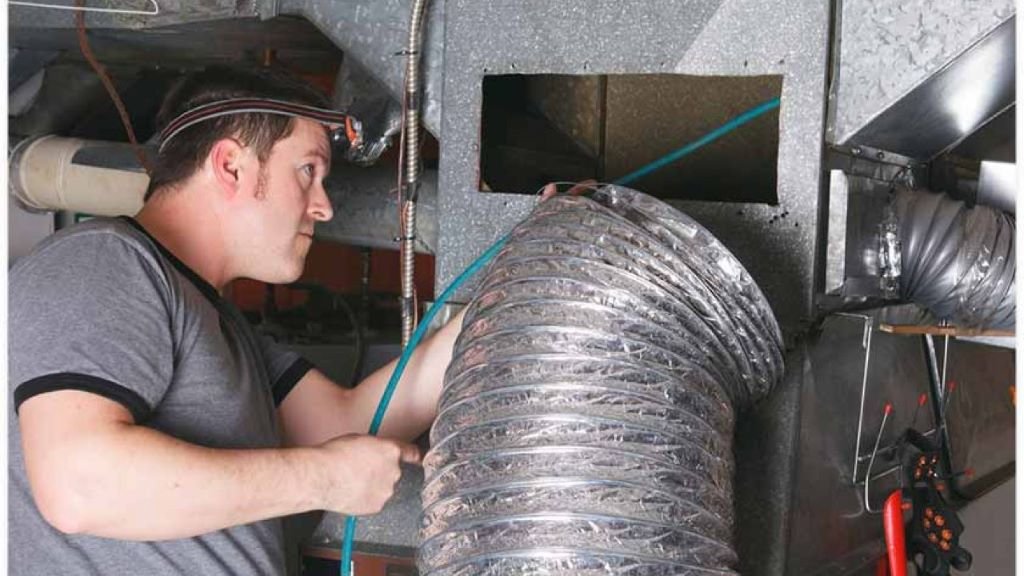
Maintaining proper static pressure keeps HVAC systems quiet, energy-efficient, and long-lasting.
Common Causes of High Static Pressure
High static pressure usually means something is restricting airflow. Common causes include:
- Dirty air filters: Clogged filters restrict airflow and overwork the blower.
- Small or kinked ducts: Undersized or bent ductwork creates airflow bottlenecks.
- Too many sharp duct bends: Each turn increases resistance.
- Blocked coils or vents: Dirt buildup or closed grilles raise static pressure.
Symptoms of High Static Pressure
If your HVAC system is under strain, you may notice:
- Uneven temperatures throughout your home
- Rising energy bills
- Loud operation, rattling, or vibrations
- Shortened system lifespan or early breakdowns
- Weak airflow from vents and stuffy rooms
How to Manage Static Pressure
You can keep static pressure under control with these steps:
- Change air filters regularly: Check monthly and replace every 1–3 months, or more often in homes with pets or allergies.
- Inspect ductwork and sizing: Ensure ducts and filters are properly matched to your HVAC system.
- Schedule routine maintenance: Professionals can clean coils, ducts, and vents to prevent restrictions.
- Adjust blower speed if needed: A trained technician can calibrate fan settings for proper airflow.
How to Calculate Static Pressure in an HVAC System
HVAC technicians in Sunrise, FL, use a manometer or pressure gauge to measure static pressure. Readings are taken on both the supply and return sides and added together to calculate total static pressure.
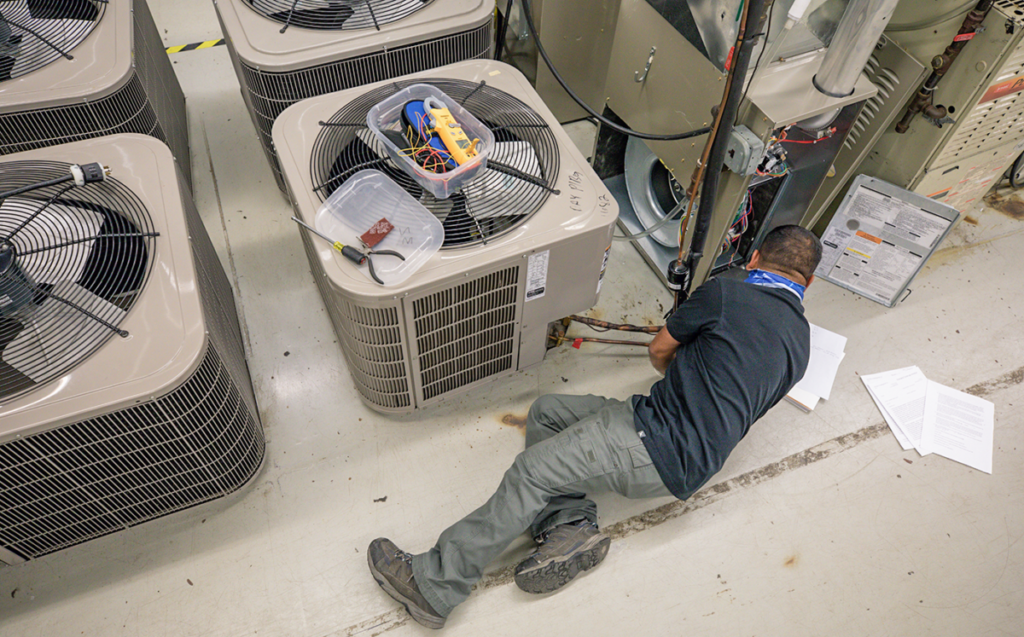
Regular static pressure testing helps identify clogged filters, undersized ductwork, or airflow issues before they cause expensive HVAC repairs.
When to Call HVAC Experts in Sunrise, FL
Basic tasks like changing filters can be handled at home, but persistent airflow problems require professional care. If you notice unusual noises, weak or uneven airflow, or increasing energy bills in your Sunrise, FL home, it’s time to call a professional.
Snowflakes Air Conditioning proudly serves, offering expert inspections, maintenance, and repairs to keep your HVAC system operating efficiently and reliably. Early intervention helps prevent costly breakdowns and extends system life.