If you’re wondering what a single-stage thermostat is or why your HVAC system seems to turn on and off at full power, you’re in the right place.
This guide cuts through the complicated terms to explain single-stage thermostats.
You’ll learn how they work, how to identify one in your home, and get a clear comparison to modern two-stage and smart thermostats to help you decide if an upgrade is right for your comfort and budget.
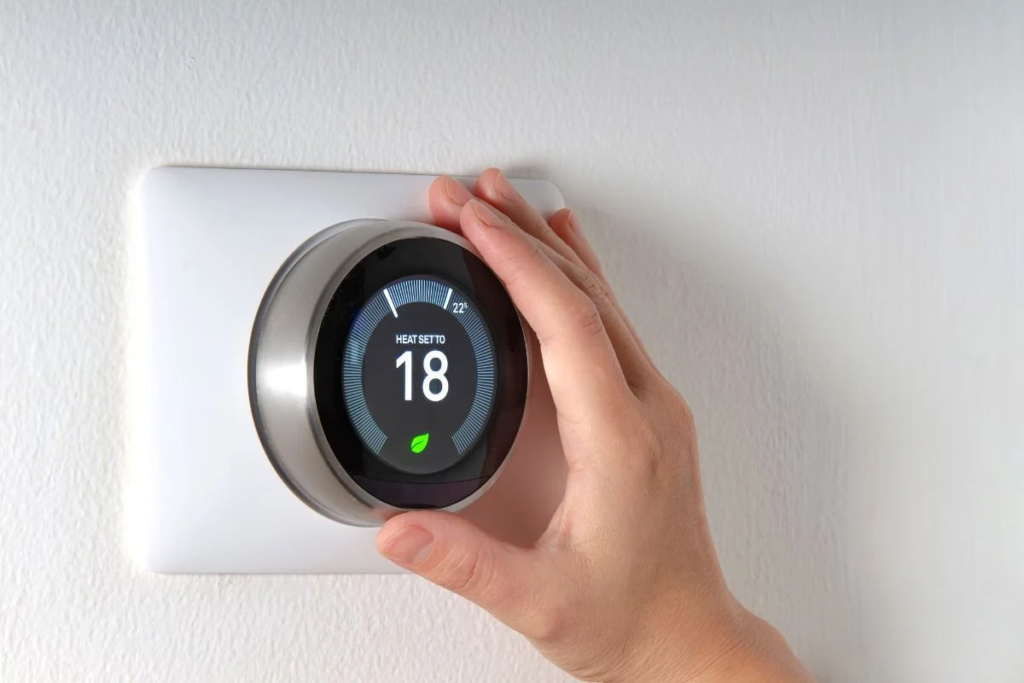
What Is a Single Stage Thermostat? A Simple Analogy
The Single-stage thermostat is a simple light switch for your heating and cooling. It has two commands: ON and OFF.
- When your home’s temperature drops below (for heat) or rises above (for cooling) your set temperature, the thermostat flips the switch to ON.
- Your furnace or air conditioner then runs at 100% full power until the thermostat reaches the desired temperature and flips the switch to OFF.
This “full blast” operation is the defining characteristic of a single-stage HVAC system and the thermostat that controls it.
How to Identify a Single-Stage Thermostat in Your Home
You can determine if you have a single-stage thermostat with two simple checks:
- Observe Your System’s Operation: Listen to your HVAC system. Does it consistently start with a powerful, noticeable surge of air and run until it shuts off abruptly? This on/off, full-power cycling is a hallmark of single-stage operation.
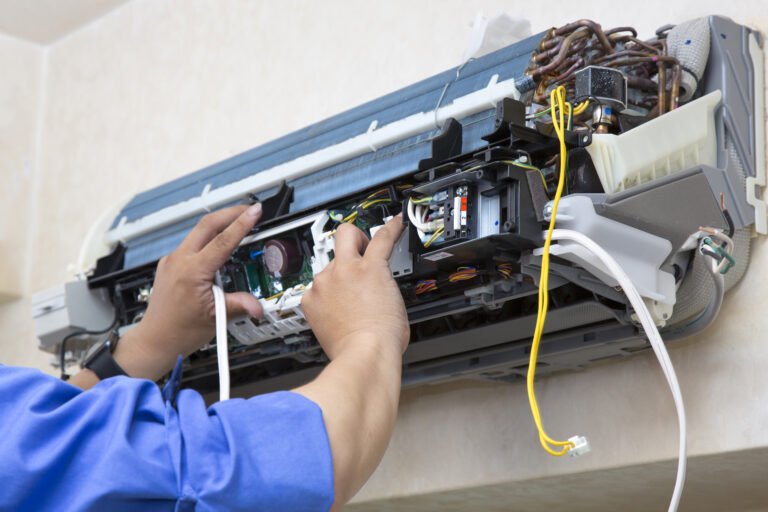
- Check the Thermostat Wires (Turn power OFF first): Carefully remove the thermostat faceplate. Look at the terminal labeled “Y” (for cooling) and “W” (for heating). If you see only one wire in the “Y” terminal and one wire in the “W” terminal, you likely have a single-stage cooling and heating system. Multiple wires in these terminals often indicate a multi-stage system.
Single-Stage vs. Two-Stage Thermostats: Key Differences
Understanding the next level of technology clarifies the limitations and benefits of single-stage models.
| Feature | Single-Stage Thermostat | Two-Stage Thermostat |
|---|---|---|
| Operation | Like an on/off switch. | Like a dimmer switch with low and high settings. |
| Cooling/Heating Output | One level: 100% power. | Two levels: A low stage (~60-70% power) and a high stage (100%). |
| Cycle Length | Shorter, frequent on/off cycles. | Longer, more sustained run times on the low stage. |
| Temperature Consistency | Can lead to slight temperature swings (“temperature variations”) as the system cycles off and on. | Provides more even, consistent comfort by using low power most of the time. |
| Energy Efficiency | Generally less efficient due to constant full-power starts. | More efficient, as the low stage uses less energy and reduces system wear. |
| Best For | Homes with straightforward HVAC needs and budget-conscious installations. | Homes seeking better comfort, efficiency, and where the HVAC equipment supports it. |
Pros and Cons of a Single-Stage Thermostat
- Pros:
- Lower Initial Cost: The thermostats and the systems they control are typically less expensive to purchase and install.
- Simplicity & Reliability: With fewer operational stages and simpler technology, there are fewer components that can malfunction, leading to a reputation for reliability.
- Easy to Use: Basic operation with minimal programming makes them user-friendly.
- Cons:
- Lower Energy Efficiency: Operating at maximum capacity each cycle can lead to higher energy use compared to modulating systems.
- Less Consistent Comfort: The on/off cycle can create noticeable temperature fluctuations and may not dehumidify as effectively in cooling mode.
- Increased System Wear: Frequent hard starts and stops can contribute to more wear on components over time.
When to Consider Upgrading Your Single-Stage Thermostat
An upgrade may be worthwhile if:
- You want more consistent temperatures without swings.
- Your energy bills are high, and you suspect HVAC inefficiency.
- You are replacing your entire HVAC system and can choose a more advanced model.
- You desire smart features like remote control, scheduling, or system alerts.